Victorian properties make up a huge proportion of Battersea's housing stock — and for good reason. They're often beautifully proportioned, well built for their era, and full of character. But they're also over 120 years old. And over 120 years, things happen.
As experienced building surveyors who carry out Level 3 building surveys in Battersea and across London every week, we've seen it all. Here are the ten defects we find most commonly in Victorian properties — and what to look out for if you're buying one.
Rising Damp
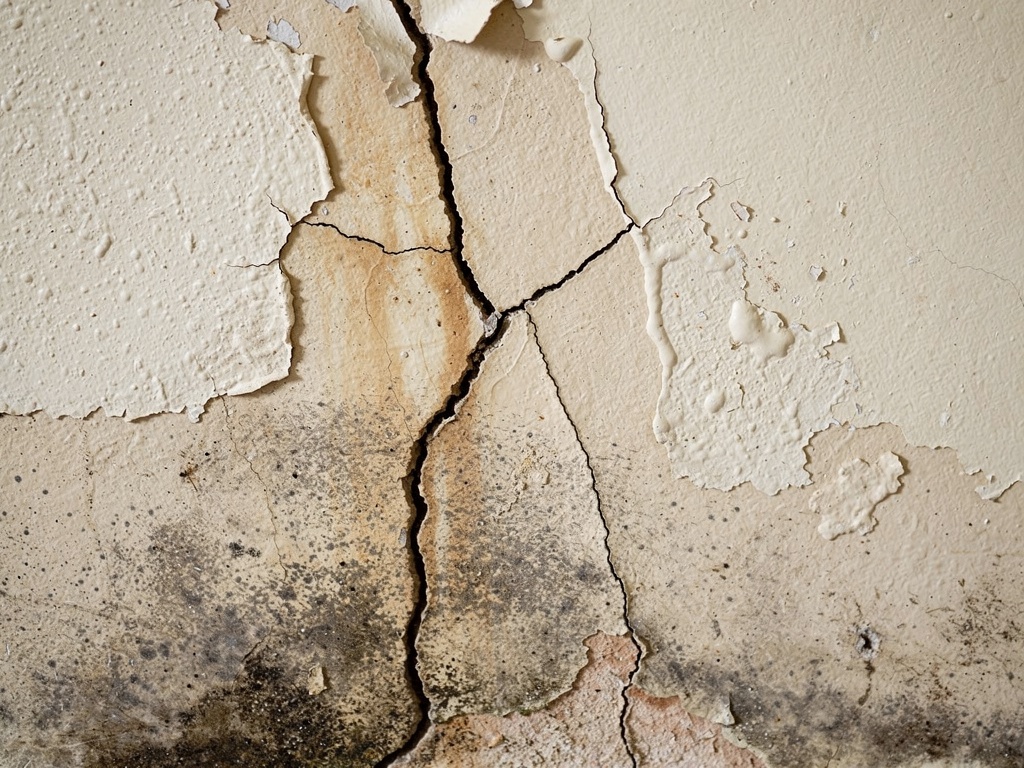
Rising damp occurs when moisture from the ground travels up through masonry walls by capillary action. Victorian properties were often built without a damp proof course (DPC) — or with one that has since failed. Signs include tide marks on internal walls, peeling wallpaper and a distinctive musty smell. Rising damp is frequently masked by re-plastering or covering with paint, which is why a Level 3 building survey is so valuable — we use moisture meters behind surfaces, not just visual inspection.
Penetrating Damp
Penetrating damp enters through external walls, particularly around chimney stacks, parapets, and window reveals. In Battersea's Victorian terraces, failing pointing in the brickwork is one of the most common culprits. We often find staining behind fitted wardrobes and in corners — areas that buyers rarely look at. The good news is it's usually fixable; the bad news is it can cause significant damage if left untreated.
Defective or Leaking Roof Coverings
Victorian roofs were originally covered in Welsh slate, which has a lifespan of 80–150 years. Many have since been patched or replaced — sometimes well, sometimes not. We commonly find cracked or slipped slates, blocked or leaking gutters, and failed flashings around chimney stacks. In converted flats, the flat roof sections over rear additions are another common weak point. Always ask when the roof was last replaced and get evidence if possible.
Structural Movement and Cracking
Some movement in Victorian buildings is perfectly normal — these structures have been settling for over a century. But fresh or progressive cracking can indicate active movement. We see both diagonal cracking (often at corners of openings) and vertical cracking (sometimes indicating settlement or subsidence). In clay-rich areas of London, particularly following periods of drought, tree root-related subsidence is also a concern. Not all cracks are serious — but a surveyor needs to assess their cause, direction and pattern.
Timber Decay and Woodworm
Victorian floors are typically suspended timber joists and floorboards, and where ventilation is inadequate or damp is present, dry rot and wet rot can take hold. We regularly find joists that are partially decayed — particularly at their ends where they bear into damp external walls. Woodworm (wood-boring beetles) is also common in older properties, though historic infestations are often more of a cosmetic concern than a structural one. The key is distinguishing between live and old activity — and our surveyors know how.
Inadequate or Outdated Electrics
Many Victorian properties still have partial or full wiring installations that predate modern safety standards. While a surveyor isn't a qualified electrician, we look for warning signs: old-style round-pin sockets, rubber-insulated wiring, consumer units without modern circuit breakers, and evidence of DIY modifications. We'll always recommend an NICEIC-registered electrician carries out a full Electrical Installation Condition Report (EICR). Budget for a full rewire if the existing installation is more than 25–30 years old.
Lead Pipes and Old Plumbing
Properties built before 1970 may still have lead water supply pipes. Lead is toxic and the government recommends replacing all lead pipework. Victorian properties often also have cast iron waste pipes that have corroded or cracked over time. Don't be surprised if a surveyor recommends a full drainage CCTV survey — it's relatively inexpensive and can save you from a very unpleasant surprise after moving in.
Chimney Stack Problems
Victorian terraces typically have multiple chimney stacks. These are exposed to the worst of the weather and are a common source of both structural and damp problems. We look for leaning or poorly pointed stacks, failed flaunching (the cement mortar around the pots), defective leadwork flashings, and chimney breasts that have been removed from lower floors without adequate support for the breast above. This last issue is more serious than it sounds — we've seen near-collapses as a result.
Poorly Executed Extensions and Alterations
Many Victorian terraces have been extended over the years — often without building regulations approval. A rear kitchen extension, a loft conversion, a garage conversion — all can be done well or badly. We check for inadequate foundations, insufficient structural support, non-compliant fire safety measures, and unauthorised building work. Always ask for any building regulations completion certificates and planning permissions relating to alterations.
Asbestos-Containing Materials
While asbestos was most commonly used from the 1950s–1990s, some Victorian properties have been subsequently modified using asbestos-containing materials (ACMs). Common locations include textured ceiling coatings (Artex), floor tiles, and lagging around pipes. Unless you're planning significant renovation work, ACMs that are in good condition and undisturbed generally don't pose a health risk — but you need to know they're there. A surveyor can highlight suspect materials and recommend specialist testing.
What Should You Do With This Information?
Most of these issues can be resolved — they don't mean you shouldn't buy the property. But they do affect the price you should be paying and the budget you need to set aside. A good Level 3 building survey doesn't just identify these problems; it tells you how serious they are, what causes them, and what to do about them.
"In 25 years of surveying Victorian properties in London, I've never inspected one that was completely defect-free. That's not a reason to avoid them — they're wonderful homes. But it is a reason to get a proper survey before you buy."— David Warren, MRICS, Founding Partner
Related Guides
Buying a Victorian Property in Battersea?
Don't skip the survey. Our RICS Level 3 building surveys give you the full picture before you commit.
Get a Free Quote