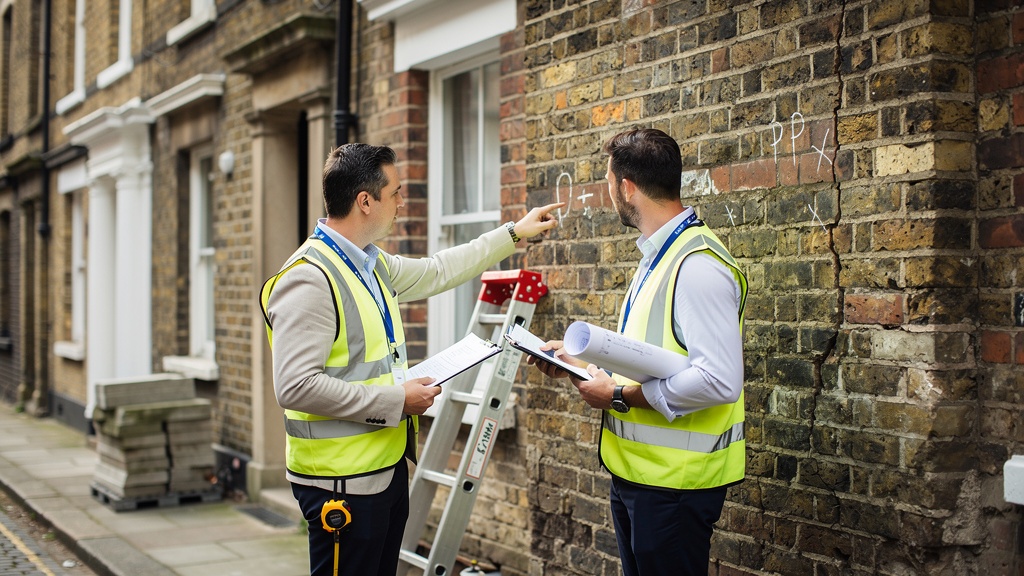
The Party Wall etc. Act 1996 is one of the least-understood pieces of legislation affecting homeowners in London. Yet if you're planning a loft conversion, rear extension, basement dig, or any work that involves a shared wall with your neighbours, it almost certainly applies to you.
Get it right and the Act protects both you and your neighbours. Get it wrong and you could face injunctions, disputes, and legal costs that dwarf the cost of the building work itself. Here's our plain-English guide from the Battersea Surveyors team.
What is the Party Wall Act?
The Party Wall etc. Act 1996 provides a framework for preventing and resolving disputes relating to party walls, party floors, boundary walls and excavations near neighbouring buildings. It requires Building Owners (the person carrying out the work) to notify Adjoining Owners (neighbours) before starting work that could affect shared structures.
Does the Act Apply to My Project?
The Act applies to three types of work:
- Works to an existing party wall or structure (Party Structure Notice required, at least 2 months before work starts)
- New building at the boundary line (Line of Junction Notice required, at least 1 month before work starts)
- Excavation within 3m of a neighbour's building (if deeper than their foundations) or within 6m (if intersecting a line drawn downward at 45°)
Common projects in Battersea that trigger the Act include: loft conversions involving party wall work, rear extensions to semi-detached or terraced houses, basement conversions, insertion of steel beams through or adjacent to a party wall, and raising or lowering a party wall.
The Notice Process
Once you've established the Act applies, you (or your surveyor) serve a formal written notice on each affected neighbour. The neighbour then has 14 days to respond:
- Consent: They agree to the works. No surveyor required — works can proceed after the notice period.
- Dissent / Non-response: A "dispute" is deemed to exist. Party wall surveyors must be appointed.
Where surveyors are appointed, they will agree a Party Wall Award — a formal legal document that sets out what works can be done, when they can be done, and how any damage will be assessed and made good. It also typically includes a Schedule of Condition (a photographic and written record of the neighbour's property before works begin).
Who Pays for the Party Wall Surveyor?
In most cases, the Building Owner (the person doing the work) pays the reasonable fees of all surveyors involved. This includes the Adjoining Owner's surveyor if they choose to appoint their own. This is the default position under the Act, though there are exceptions.
"I regularly act for both building owners and adjoining owners. The most common mistake I see is building owners starting work before the notice period has expired, or without having agreed an Award. That's a serious breach of the Act and can lead to injunctions and significant additional costs."— David Warren, MRICS, Party Wall Specialist
Why Party Walls Matter Especially in Battersea
Battersea is characterised by Victorian terraced housing — rows of properties with shared party walls, often with cellars and substantial rear gardens being extended into. It's one of the busiest areas in London for party wall work, and we've handled hundreds of party wall matters in the local area.
The relatively recent regeneration around Battersea Power Station has also introduced new apartment developments where landlord and tenant relationships, shared floor/ceilings, and management company interactions add an extra layer of complexity to party wall matters.
Related Guides
Need Party Wall Help in Battersea?
Our RICS party wall specialists cover all of South West London. Get in touch for fast, practical advice.
Contact Us Today